
Cultural significance of gambling across different societies
The Historical Roots of Gambling
Gambling has been an integral part of human culture for centuries, with its origins tracing back to ancient civilizations. Evidence from archaeological sites suggests that the practice of betting on games of chance dates back to the earliest forms of human society. The ancient Chinese, for instance, utilized rudimentary dice and betting games as early as 3000 BC. This early engagement with gambling reflects a human inclination toward risk-taking and competition, components that are still at the core of gambling today. For New Zealand players, accessing the SpinBet App NZ can enhance their gaming experience significantly.

In ancient Rome, gambling was not only prevalent but also culturally significant. The Romans incorporated games of chance into their social gatherings, enhancing communal bonds while providing entertainment. Such activities were often associated with festivals and public celebrations, showcasing how gambling served both as leisure and a communal experience, a trend that has echoed through various cultures over the millennia.
As societies evolved, so did the forms of gambling. The introduction of card games in the Middle Ages in Europe marked a pivotal transformation in gambling practices. This period saw the emergence of gambling houses and the eventual establishment of regulations. These early forms laid the groundwork for modern gambling establishments, indicating a shift from informal to organized practices, which would later proliferate across the globe.
Cultural Perspectives on Gambling
Gambling holds different meanings across various cultures, often reflecting underlying social values and beliefs. In many Indigenous cultures, such as those in North America, gambling has historically served as a means of storytelling, community bonding, and even spiritual practice. Traditional games often involve skill and strategy, elevating them beyond mere betting to forms of cultural expression, emphasizing the importance of heritage.
In contrast, Western cultures have frequently viewed gambling through a lens of risk and reward, often associating it with economic gain or moral decay. The narratives surrounding gambling in places like Las Vegas create an image of glamour and excitement, masking the underlying social issues that can arise from gambling addiction. This dichotomy highlights how cultural attitudes can shape the perception and regulation of gambling practices.
Furthermore, in Asian cultures, gambling often intertwines with social and familial obligations. Events like Lunar New Year celebrations typically include gambling activities that foster social ties and communal harmony. Here, the act of gambling transcends individual risk-taking, becoming a shared experience that reinforces social cohesion. These examples illustrate how gambling adapts to and reflects the values of different societies.
The Economic Impact of Gambling
From an economic perspective, gambling can significantly influence local and national economies. In regions where it is legalized and regulated, such as Nevada in the United States, gambling generates substantial revenue through tourism, employment, and taxation. The influx of visitors to casino resorts creates jobs and stimulates local businesses, leading to a more robust economic landscape.
However, the economic benefits of gambling are not without drawbacks. The potential for gambling addiction can lead to severe personal and social costs, impacting not only the individuals involved but also their families and communities. As such, many societies grapple with the challenge of balancing economic gain with the risks associated with gambling, often leading to ongoing debates about its place in modern society.
Moreover, the rise of online gambling platforms has revolutionized the industry, expanding its reach and accessibility. This shift has allowed more people to engage with gambling than ever before, prompting discussions on regulation, consumer protection, and the socio-economic implications of digital betting. As technology continues to evolve, so too will the economic landscape of gambling, necessitating a careful consideration of its cultural ramifications.
Gambling as a Social Activity
Gambling serves as a significant social activity in many cultures, often facilitating connections and interactions among participants. In countries like Italy, card games are a traditional pastime that brings families and friends together, reinforcing social bonds while providing entertainment. Such gatherings are not just about winning money; they often involve storytelling, laughter, and camaraderie, highlighting the social fabric that gambling can weave.
In contemporary society, the emergence of online casinos has transformed how people socialize around gambling. Virtual platforms allow players from different geographical locations to connect and compete against each other. This shift has led to the creation of online communities where players share strategies, experiences, and friendships, demonstrating how gambling continues to evolve as a social activity in the digital age.
Moreover, public events centered around gambling, such as poker tournaments and charity gaming nights, underscore the communal aspects of this activity. Such events often blend entertainment with philanthropy, allowing participants to engage in gaming while contributing to a cause. This intersection of gambling and social responsibility reflects a growing recognition of gambling’s potential to serve community interests, rather than merely individual gain.
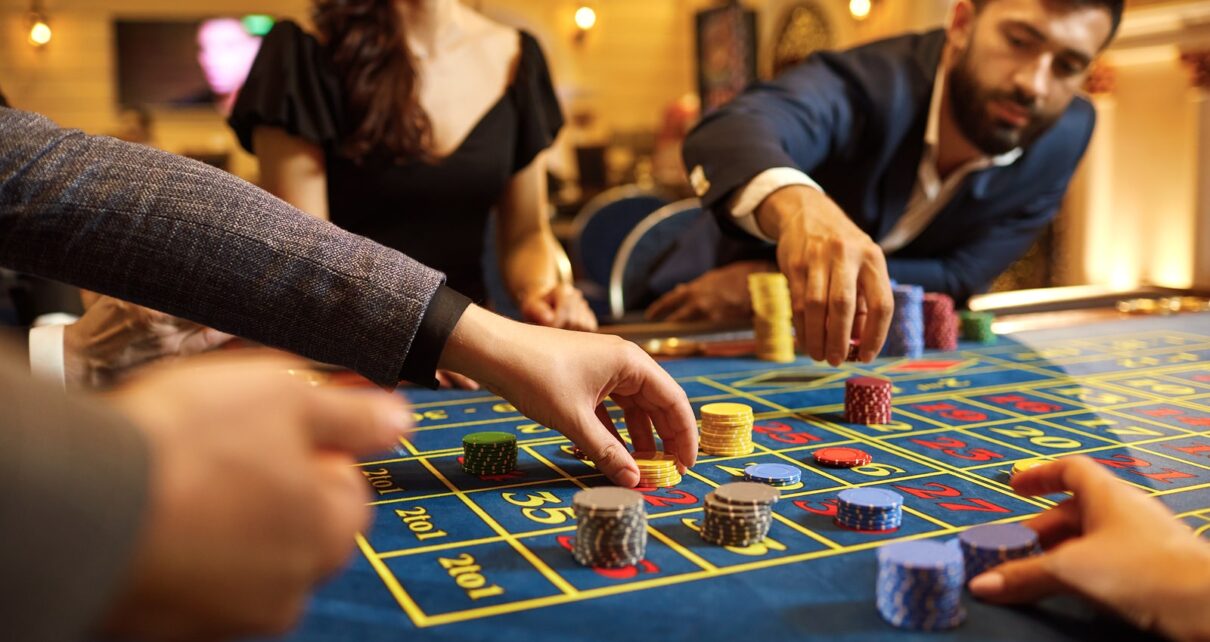
Conclusion: The Modern Landscape of Gambling
In today’s globalized world, gambling represents a complex interplay of culture, economy, and social interaction. Its significance varies widely across different societies, shaped by historical context, cultural beliefs, and economic factors. As traditional practices evolve and new forms emerge, the cultural significance of gambling continues to adapt, revealing insights into human behavior and societal values.
For those interested in exploring the world of gambling further, platforms like SpinBet offer an engaging experience tailored to modern players. With a vast selection of games and a focus on user safety and support, such platforms provide not only entertainment but also a glimpse into the ongoing evolution of gambling culture. Understanding the complexities behind gambling allows individuals to appreciate its rich history and cultural implications while enjoying the thrill it offers.
related posts
Günümüzde online casinolar, oyunculara sundukları çeşitli bonuslarla dikkat çekmektedir. Deneme bonusu, yeni oyuncular için cazip bir seçenektir. Bu bonuslar, oyuncuların herhangi bir risk üstlenmeden oyunları [...]
Success in gambling Analyzing real-life case studies The Psychology of Successful Gamblers The world of gambling is not just about luck; it encompasses a deep [...]
În prezent, cazinourile online au câștigat popularitate datorită accesibilității și diversității jocurilor oferite, iar cu aplicații mobile precum Chicken Road, jucătorii pot accesa experiența de [...]